
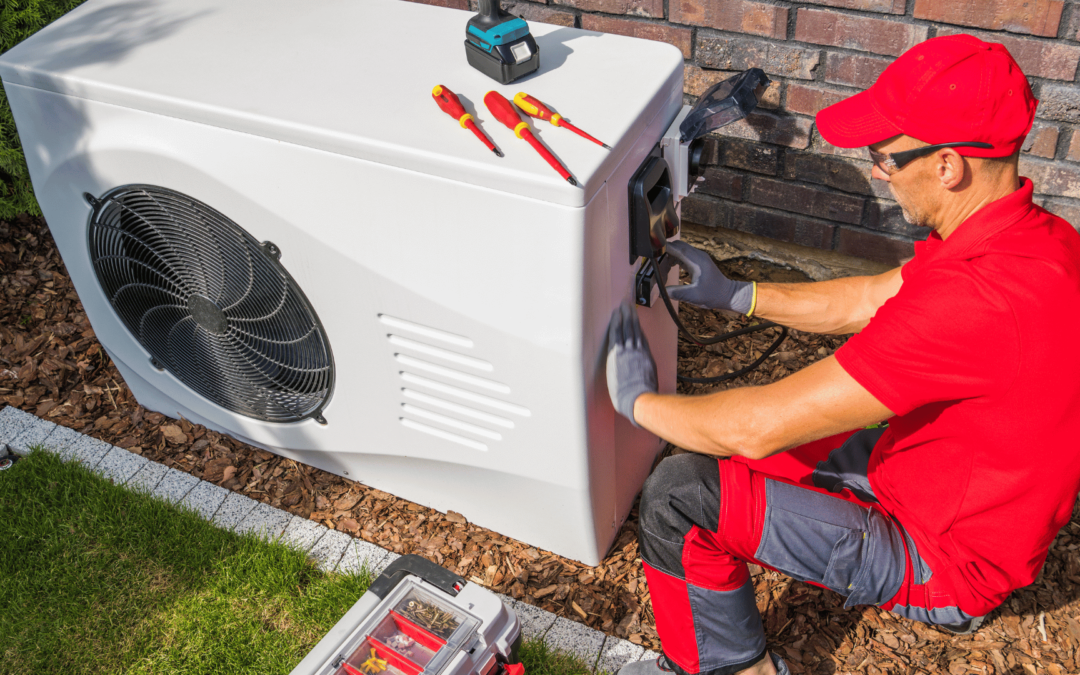
When homeowners invest in a new air conditioner, they often focus on the unit’s brand, efficiency rating, and features. However, even the best AC system may fail to deliver reliable cooling if it is installed incorrectly. Professional AC installation plays a critical role in determining how efficiently, safely, and consistently an air conditioning system operates.
From proper system sizing and refrigerant levels to airflow and electrical connections, every installation detail matters. A qualified HVAC professional can ensure that your system is configured according to manufacturer specifications and your home’s cooling needs. Here are the key reasons professional installation is essential for getting the best performance from your AC.
Proper AC Sizing Ensures Efficient Cooling
Choosing the right AC size is one of the most important parts of air conditioner installation. A professional HVAC technician can evaluate factors such as your home’s square footage, insulation, windows, layout, and local climate to determine the appropriate cooling capacity.
An oversized unit may cool a room quickly but shut off before properly removing humidity. An undersized system, meanwhile, may run continuously while struggling to reach the desired temperature.
Improper sizing can lead to:
- Higher energy consumption
- Uneven indoor temperatures
- Frequent cycling
- Excessive humidity
- Increased equipment wear
- Reduced system lifespan
Professional system sizing helps your AC operate more efficiently while maintaining consistent indoor comfort.
Professional Installation Improves Energy Efficiency
Energy efficiency is a major consideration when installing a new AC. Although an energy-efficient model can reduce electricity consumption, poor installation can prevent the equipment from achieving its expected performance.
A professional technician makes sure important components are installed and configured correctly. This includes refrigerant lines, electrical connections, airflow, ductwork, thermostats, and drainage systems.
| Installation Factor | Professional Approach | Performance Benefit |
|---|---|---|
| AC sizing | Cooling-load assessment | Consistent cooling |
| Refrigerant charge | Proper measurement | Efficient operation |
| Ductwork | Sealed and inspected | Reduced air loss |
| Electrical connections | Correct installation | Reliable operation |
| Airflow | Tested and balanced | Better comfort |
When these components work together properly, the system does not have to work harder than necessary to cool your home.
Correct Installation Helps Prevent Common AC Problems
Many AC problems can be linked to improper installation or poor initial setup. A system that was installed without attention to manufacturer requirements may experience problems sooner than expected.
Common issues associated with poor installation include:
- Weak or inconsistent airflow
- Refrigerant leaks
- Water leaks
- Frozen evaporator coils
- Strange noises
- Short cycling
- Poor temperature control
- Unexpected increases in energy bills
Professional air conditioner installation helps reduce these risks by ensuring that each component is properly connected, configured, and tested before the system is put into regular use.
Proper Airflow and Ductwork Make a Major Difference
Your AC does more than produce cold air. It must also distribute that air effectively throughout the home. Poor ductwork, restricted airflow, or improperly connected vents can make even a powerful air conditioner perform poorly.
During professional HVAC installation, technicians can inspect the duct system and identify potential airflow problems. They may check for leaks, inadequate insulation, damaged sections, or restrictions that could reduce cooling efficiency.
Proper airflow helps:
- Maintain consistent temperatures
- Improve indoor comfort
- Reduce unnecessary strain on the AC
- Support better energy efficiency
- Improve overall system performance
For homes with existing ductwork, evaluating the distribution system should be an important part of the installation process.
Professional Installation Can Extend AC System Lifespan
An air conditioner is a significant investment, so homeowners naturally want it to last as long as possible. Correct installation can help reduce unnecessary stress on major components such as the compressor, blower motor, and electrical system.
When an AC is improperly sized or incorrectly connected, it may have to operate longer or cycle more frequently than necessary. Over time, this additional strain can contribute to premature wear.
Professional AC installation gives your equipment a stronger starting point. Combined with routine maintenance, proper filter replacement, and timely repairs, it can help your cooling system provide dependable service for many years.
Safety Is Another Reason to Hire an HVAC Professional
AC installation involves more than positioning an indoor and outdoor unit. The process may involve electrical connections, refrigerant lines, condensate drainage, and other technical components.
Incorrect electrical connections can damage equipment or create safety concerns, while improper refrigerant handling can affect system performance. Drainage problems may also contribute to water damage or other issues.
A qualified HVAC technician can inspect and test these components as part of the installation process. Professional installation provides homeowners with greater confidence that the system has been installed according to appropriate requirements and manufacturer specifications.
Professional Installation Can Protect Your Investment
A new AC system often comes with a manufacturer’s warranty, but warranty requirements can vary by equipment and manufacturer. Installation requirements may also apply.
Using an experienced HVAC contractor helps ensure that the equipment is installed according to the manufacturer’s specifications. Homeowners should always review their warranty terms and ask the installer what is covered.
Professional installation also provides an opportunity to establish a relationship with an HVAC company that can assist with future maintenance, repairs, and system inspections.
What to Expect During Professional AC Installation
Understanding the installation process can help homeowners know what to expect when hiring an HVAC contractor.
A typical installation may include:
- Home assessment: The technician evaluates your property’s cooling requirements.
- System sizing: The appropriate AC capacity is determined.
- Equipment placement: Indoor and outdoor components are positioned appropriately.
- Electrical connections: Required electrical connections are completed.
- Refrigerant connections: Refrigerant lines are properly connected and checked.
- Airflow inspection: Ductwork and airflow are evaluated.
- System testing: The technician tests cooling, controls, airflow, and overall operation.
- Final walkthrough: The homeowner receives basic guidance on operating the new system.
This process helps identify installation issues before they become larger performance problems.
Professional vs. DIY AC Installation
DIY installation may appear attractive because it can seem like a way to reduce upfront costs. However, air conditioning systems involve technical requirements that should not be overlooked.
| Factor | Professional Installation | DIY Installation |
|---|---|---|
| System sizing | Professional assessment | May be inaccurate |
| Electrical work | Properly handled | Risk of mistakes |
| Refrigerant components | Professionally addressed | Potential performance concerns |
| Airflow testing | Included in professional process | May be overlooked |
| Warranty considerations | Installation requirements considered | Possible complications |
| Long-term reliability | More predictable | Can vary significantly |
For most homeowners, professional installation offers greater confidence, reliability, and long-term value.
How to Choose the Right AC Installation Company
Not every HVAC contractor provides the same level of service. Before hiring a company, homeowners should compare their experience, qualifications, pricing, and customer service.
Look for an HVAC professional who offers:
- Clear, written estimates
- Appropriate licensing and insurance where required
- Experience with your AC system
- Transparent installation pricing
- Warranty information
- Proper system sizing
- Post-installation testing
- Maintenance and repair services
- Positive customer reviews
It is also worth asking whether the quoted price includes all necessary installation components and whether any permits are required in your area.
Get Better Performance From Your AC With Professional Installation
Buying a high-quality air conditioner is only the beginning of achieving reliable indoor comfort. Proper sizing, airflow, electrical connections, refrigerant handling, ductwork, and system testing all play an important role in AC performance. Professional AC installation helps ensure that your system operates as intended from day one while supporting energy efficiency, comfort, reliability, and long-term value. Instead of treating installation as an afterthought, consider it an essential part of your investment.
Ready to get the most from your new air conditioner? Contact a qualified HVAC professional today for expert system sizing, reliable AC installation, and a setup designed to provide efficient and consistent cooling for years to come.